
Double Tile!
HungryStudioPuzzle
4.94.60K Reviews
- Version
- 2.4.0
- Installs
- 10.00M
- Age Rating
- Everyone
Screenshots
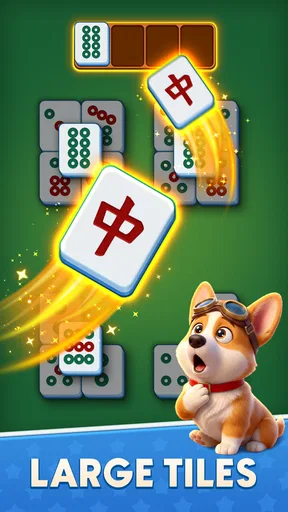
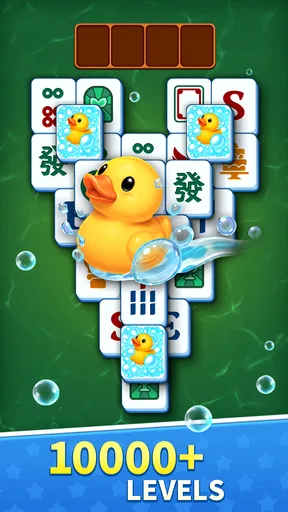
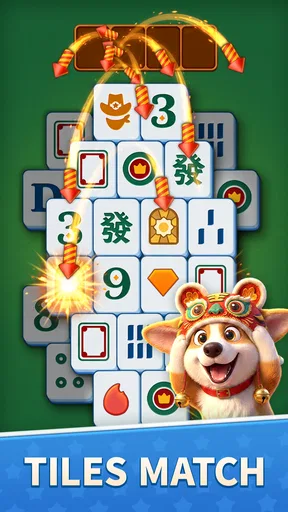
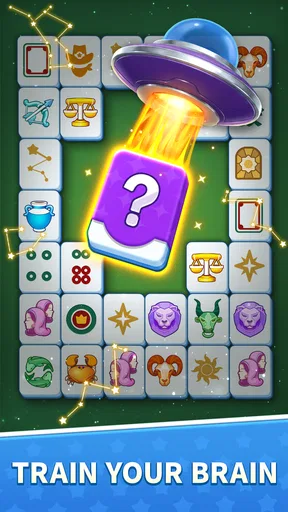
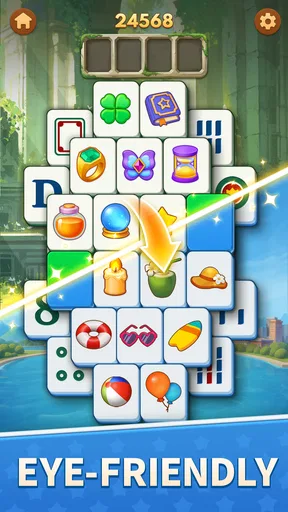
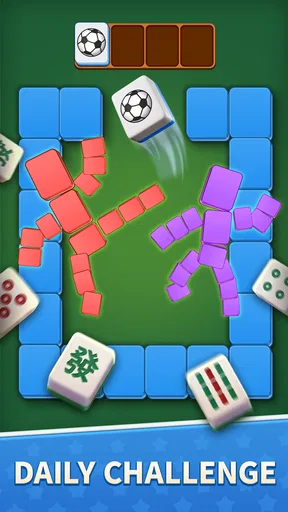
Our Review of Double Tile!
 Analysis by Appyee
I found Double Tile! easy to understand within seconds, but not so shallow that the first few boards tell you everything. It is a free puzzle game from HungryStudio built around pairing two matching tiles, clearing the board, and moving through levels one at a time. That simple action gives it an immediately comfortable rhythm: look, compare, tap, and adjust when the remaining pieces make the next choice less obvious.
For a first-time player, the appeal is the low entry barrier. You do not need to learn a story, manage a character, or remember a complicated control scheme before playing. The game is rated Everyone, so it is a natural choice for short, quiet sessions on a phone or tablet. I also think it suits people who enjoy familiar tile-matching ideas but would rather have a focused puzzle than a large game full of menus and side systems.
What the first few minutes feel like
After installing it, I would approach Double Tile! expecting a compact matching experience rather than a traditional mahjong simulation. The important distinction is that the game’s central task is pairing two tiles, not learning the rules of a full tabletop mahjong set. That makes the opening much less intimidating. You can concentrate on recognizing identical symbols and deciding which pair is safe to remove.
The best way to begin is to avoid tapping as quickly as possible. I recommend taking a moment to scan the entire board before making the first match. Even when an early pair looks obvious, that short pause helps you notice other tiles that may become important later. The game rewards visual attention more than speed, and that is where its puzzle character becomes clearer.
The first meaningful success is not simply removing any two matching tiles. It is clearing a pair while keeping the rest of the board understandable. I found that this small change in mindset makes the game more satisfying. Instead of treating every match as an isolated action, I started asking which pair would leave the cleanest choices for the next move.
That approach also makes the game suitable for everyday gaps in a schedule. I can imagine playing a level while waiting for an appointment, taking a short break from work, or winding down before bed. It does not demand the kind of uninterrupted attention associated with a long adventure game. At the same time, the visual search is active enough to keep a short session from feeling like empty time.
Starting without overthinking the rules
The opening boards are best treated as a gentle orientation period. Look for identical tiles, tap the two that belong together, and watch how the board changes. If you are used to match-three games, the main adjustment is that the goal is not to create a chain or arrange a color pattern. If you are used to classic mahjong games, the adjustment is to focus on the specific matching flow presented here rather than expecting every traditional rule to apply.
I would not begin by trying to predict the entire level. That can make a simple puzzle feel unnecessarily demanding. Instead, identify a few visible pairs, choose one that does not make the remaining layout harder to read, and then reassess. The board is easier to solve when you treat each move as new information rather than committing to a rigid plan from the start.
A useful habit is to separate recognition from selection. First, notice all the pairs you can currently identify. Second, decide which one to remove. This prevents the first familiar symbol from automatically becoming the first move. It is a small technique, but it gives the game more depth than its short store summary suggests.
From the first match to a reliable routine
Once I had made a few successful pairs, I settled into a repeatable routine. I scanned from one side of the board to the other, mentally grouped matching symbols, and then chose the pair that seemed least likely to disturb my view of the remaining tiles. After each removal, I paused briefly instead of tapping immediately again.
This is especially helpful when the board contains several similar-looking symbols. Fast play can turn a recognition mistake into a frustrating sequence of taps. A slower rhythm is usually more accurate, and it also makes the game feel calmer. Double Tile! is at its best when played as a small visual exercise, not as a race against your own fingers.
Another practical tip is to use the edges of the board as reference points. When several tiles look alike, remembering their position relative to a corner or side makes them easier to find after other pairs disappear. I found this more dependable than trying to remember only the symbol itself. The board becomes a changing map, and fixed visual landmarks help maintain orientation.
Players who enjoy solving puzzles methodically may appreciate this routine immediately. Players who prefer constant action may find it too deliberate. That difference matters: the game’s pleasure comes from noticing relationships and making tidy progress, not from dramatic movement or rapid reactions.
Where new players can become confused
The most common early confusion is assuming that every matching pair is equally good. In a purely casual matching game, that expectation is understandable. Here, the order of your choices matters because removing one pair changes what remains visible. A match can be correct and still be a poor first move if it leaves the next part of the board harder to read.
When I reached a moment where several pairs seemed available, I stopped looking only for the easiest symbol. I looked for the pair that opened the clearest follow-up. That usually meant favoring a match in a less crowded area or one that reduced visual clutter. This is one of the more useful lessons for beginners because it turns confusion into a solvable decision rather than a sign that the game is unclear.
Another point of friction is visual fatigue. Matching symbols repeatedly can become harder when you play for too long without a break, especially on a small screen. If your eyes begin to skip over tiles, continuing immediately is rarely helpful. I would pause, change my viewing distance, and return with a fresh scan. The game is simple enough that a short reset can be more valuable than forcing another move.
It is also worth remembering that a mistake does not mean you misunderstood the whole game. Early players often judge themselves too harshly after losing track of a pair. The better response is to slow down and rebuild the board in your mind. Look for the most distinctive symbols first, then handle the visually similar ones once the layout is less crowded.
How to make short sessions work better
Double Tile! works particularly well when you give each session a small purpose. One session might be about learning to scan before tapping. Another might focus on choosing a pair that leaves a clean board. This makes the game more rewarding than simply trying to finish as quickly as possible, and it gives you a way to notice improvement even when a level becomes more demanding.
For a commute or waiting-room session, I would play with the sound environment in mind and avoid beginning a level when I know I will need to put the phone down immediately. A sudden interruption can make it harder to remember which symbols were connected. If you only have a very brief moment, it may be better to start when you can give the board a few uninterrupted glances.
At home, the game can work as a transition between more demanding activities. I like puzzle games that let me shift attention without requiring a large emotional commitment, and this one fits that role. It is also more approachable than a competitive game when I want something quiet and self-contained.
The trade-off is that the same focused design may feel limited if you want a broad collection of modes, a narrative, or a strong sense of long-term progression beyond clearing levels. Double Tile! stays close to its central matching idea. That focus is its strength for casual puzzle players, but it is also the reason action-oriented players may move on quickly.
How it compares with familiar puzzle alternatives
Compared with match-three games, Double Tile! feels more deliberate. Match-three play often asks you to create combinations, react to cascades, or search for a move that produces several effects at once. Here, the basic satisfaction comes from identifying a pair and managing the board that remains. If you prefer planning over chain reactions, this is the more comfortable choice.
Compared with traditional mahjong solitaire, it offers a more approachable starting point because the central idea is presented plainly: find two matching tiles and solve the puzzle step by step. Players seeking the full strategic rules and layered structure of a classic mahjong layout may prefer a dedicated mahjong title. Players who mainly want the visual pleasure of pairing tiles without a heavier ruleset may find this easier to pick up.
It also differs from word puzzles and number games because the challenge is primarily visual. There is no need to calculate a sequence or search for vocabulary. That makes it a good alternative when I want mental activity that feels lighter and more immediate. On the other hand, anyone looking for a puzzle that exercises language or arithmetic will get more from a different category.
The game’s broad reach is reflected in its average rating of 4.9 from around 348 thousand ratings, while its install count has passed 10 million. Those figures suggest that the straightforward format has connected with a large audience, but they should not replace personal preference. A popular tile-matching game can still be the wrong fit if you need deep strategy, competitive pressure, or a story-driven reason to keep returning.
What the current package means for a new player
HungryStudio presents Double Tile! as a free game, which makes it easy to try without turning the decision into a major commitment. Its current version is 2.1.4, and it runs on Android 7.0 or later. For someone using an older Android device, checking the operating system before attempting installation is a sensible first step.
The game was released on October 18, 2025, and its Everyone age rating makes it suitable for a wide range of players. I would still describe the experience as best for people who enjoy quiet concentration. The age rating tells you who can access it, but it does not mean every player will enjoy the same pace. Younger players may like the clear matching goal, while adults may appreciate it as a short decompression activity.
Because it is free, I would install it with modest expectations: try several levels, notice how the board design affects your decisions, and decide whether the repeated matching rhythm holds your attention. The right question is not whether the opening is easy. It is whether you enjoy the small decisions that appear after the obvious pairs are gone.
Who should choose it, and who should skip it
I would recommend Double Tile! to someone who wants a puzzle that can be understood immediately but still benefits from careful choices. It is a strong match for players who like visual organization, short sessions, and a calm pace. It can also be a good introduction to tile-matching games for someone who finds traditional mahjong rules too dense or match-three effects too busy.
I would be less likely to recommend it to a player who needs constant novelty. If your ideal mobile game includes character development, exploration, multiplayer competition, or elaborate objectives, the focused design may feel narrow. The same is true for puzzle fans who want a single difficult logic problem that requires extended deduction. This game is built around repeated, accessible matching decisions rather than one large intellectual challenge.
There is also a personal tolerance question. Repeated visual scanning is relaxing for some people and tiring for others. If you often lose interest in symbol-matching games after a few rounds, the clean presentation will not necessarily change that. In that case, a word, number, or physics-based puzzle would probably offer more variety.
My practical verdict after learning its rhythm
What I like most is how quickly Double Tile! gives the player a meaningful action. You are not waiting for a long tutorial or trying to understand a complicated interface. The first successful pair arrives almost immediately, but the later choices encourage better habits: scan first, choose with intention, and reassess after every removal.
The main limitation is equally clear. Its appeal depends heavily on whether you enjoy the central matching loop, because the game does not need to disguise that loop with a large amount of extra content. For me, that honesty works. I can open it for a short puzzle break, make progress without preparing for a long session, and stop when the visual search starts to feel tiring.
If you are installing it for the first time, my advice is to begin slowly rather than chasing speed. Make the first pair you can identify, then use the changed board to plan the next one. When a level becomes confusing, search for the clearest remaining symbols and use the board’s edges as landmarks. That simple method turns the opening minutes into a reassuring learning path and helps reveal whether the game’s quiet, level-by-level style suits you.
Overall, I see Double Tile! as a focused puzzle for people who enjoy the satisfaction of putting a visual mess into order. It is free, accessible, and easy to start, while still offering enough choice to make careless tapping less effective. If you want a calm matching game that respects short pockets of time, this is worth trying; if you need variety, story, or high-energy action, choose a different puzzle style instead.
Privacy and Permissions
See what permissions an app requests and how it handles your data.
- Wi-Fi connection information
- view Wi-Fi connections
- Other
- view network connections, full network access, reorder running apps, control vibration, prevent device from sleeping, Google Play license check
Verdict
Strengths of Double Tile!
- Simple matching gameplay that is easy to understand from the first round.
- Short sessions make it convenient for quick breaks or casual play.
- Minimal controls work well on both phones and tablets.
- Gradually increasing difficulty keeps basic levels accessible.
- Bright tile designs make the board easy to read at a glance.
Limitations of Double Tile!
- Repeated patterns can make the experience feel monotonous over time.
- Later stages may become frustrating when several moves look similar.
- Limited strategic depth may not satisfy players seeking complex puzzles.
- Small visual details can be harder to distinguish on compact screens.
- Progress may feel slow if new content is unlocked only gradually.
Other Releases by HungryStudio
View All
Block Blast!
Puzzle4.8
Similar Picks in This Category
View AllBlock Blast!
HungryStudio4.8

Braindom: Brain Games Test
Lahana Game Studio4.6

AMAZE!
CrazyLabs LTD4.6

Sudoku - Classic Sudoku Puzzle
Oakever Games4.7

Art Puzzle - Puzzle Games
Easybrain4.8

Amaze GO!
Oakever Games4.9
Frequently Asked Questions
What is Double Tile! and how do you play it?
Double Tile! is a relaxing tile-matching puzzle game built around pairing identical tiles and clearing them from the board. During our review, the gameplay felt easy to understand but increasingly demanding as levels introduced more crowded layouts and limited moves. Players need to observe the board carefully, plan matches in the right order, and avoid removing tiles that could block useful combinations later.
Is Double Tile! free to download and play?
Double Tile! can generally be downloaded and played without an upfront purchase, making it accessible to casual players who want a quick puzzle experience. However, free games may include advertising, optional in-app purchases, or extra features that require payment. Before downloading, check the store listing for the current pricing, ad policy, and whether purchases are needed to progress comfortably.
Does Double Tile! work offline?
Double Tile! may allow players to complete at least some puzzle levels without a continuous internet connection, which is useful during travel or when mobile data is unavailable. Nevertheless, online access can be required for advertisements, rewards, cloud synchronization, updates, or certain events. We recommend opening the game online once after installation and checking which features remain available offline.
Is Double Tile! suitable for children and all age groups?
The matching-based gameplay in Double Tile! is simple enough for many children and is also suitable for adults looking for a calm, short-session puzzle game. Even so, parents should review the game’s advertising, in-app purchase options, privacy information, and age rating before allowing younger players to use it. Difficulty can also increase, so some levels may require patience and planning.
What should I check before downloading Double Tile!?
Before installing Double Tile!, confirm that your Android or iOS device meets the required operating-system version and has enough free storage. It is also worth checking recent user reviews, the developer’s privacy policy, permissions, advertising behavior, and available purchase options. If you dislike repetitive puzzle mechanics or frequent interruptions, these details can help you decide whether the game matches your expectations.
Play our best games!


